Most people land here right after a wreck, looking for a straight answer to one specific question — who pays the ambulance bill, how long they have to file, whether the police report got the story right.
That is what I write about. Every post answers a question I get asked in real consultations, and I try to answer it the way I would in my office: plainly, with the Texas rule that actually applies, and without pretending the answer is simpler than it is.
None of it is legal advice about your case. Every crash has facts that change the answer. If something you read raises a question about your own situation, call me at 281-888-8137 and we can talk it through.
-
Texas gives you two years to file a personal injury lawsuit, but a claim against a city, county or hospital district can expire in as little as 90 days. Every deadline, and what starts each clock.
-
Pain and suffering is not calculated. It is argued. Texas law sets no formula and no multiplier for it. Section 41.001 of the Civil Practice and Remedies Code defines noneconomic damages by naming nine kinds of loss — physical pain, mental anguish, disfigurement, physical impairment and loss of enjoyment of life among them — and…
-
Yes, but the bar is high. What Texas requires before a medical malpractice case can move forward, and how to tell early whether you have one.
-
The driver’s status when the crash happened decides whether $50,000 or $1 million sits behind your claim — and in Texas the $1 million attaches the moment the driver accepts the ride, not when you get in.
-
There is no reliable average. Here is what a Texas car accident claim is actually built from, and the three things that cut the number down.
-
Most Texas car accident settlements take two to six months after treatment ends. What controls the timeline, and why the other driver’s insurer is in no hurry.
-
Texas requires every driver to carry at least $30,000 of injury coverage per person, $60,000 per crash, and $25,000 for property damage. That is the 30/60/25 minimum. It is a legal floor rather than a sensible amount of coverage, and it is a great deal less than a serious injury costs. A driver working for…
-
You almost never have to give one to the other driver’s insurer. Your own is a different matter. What the questions are really for, and how to decline.
-
No. Texas is an at-fault state, and that single fact decides who pays, when they pay, and what happens if you were partly to blame.
-
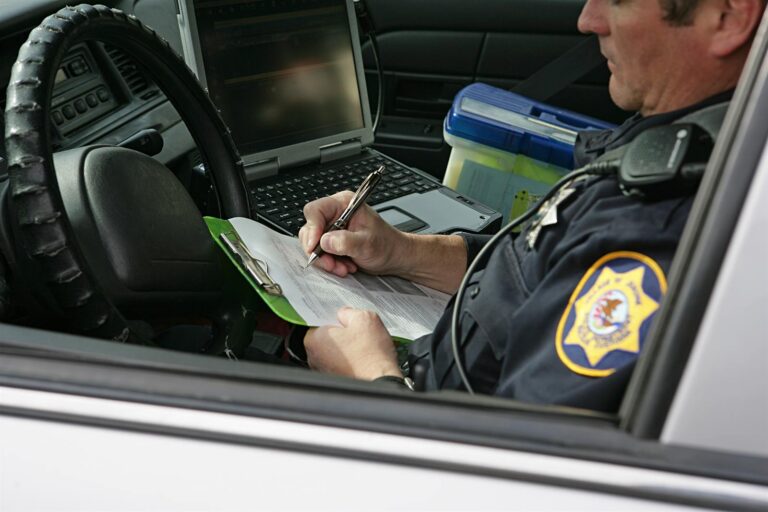
Your Texas crash report is a CR-3. It costs $6 from TxDOT, the agency has 10 days to file it, and not everyone is allowed a full copy. Here is how to get yours and which parts of it matter.